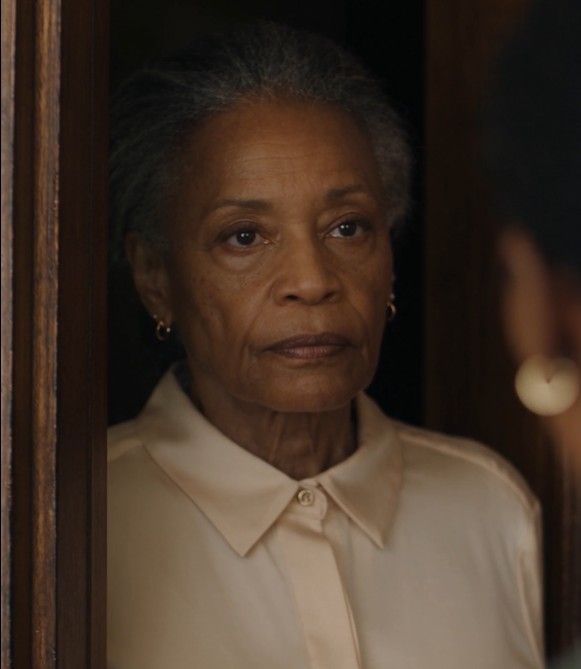
The word was barely audible.
I remembered checking the driveway. Putting foil over the vegetables. Turning the oven down so the meat would not dry out.
“Why didn’t you call?”
“We didn’t want to come,” he said.
His wife turned toward him.
“Don’t make it sound like—”
“I could have called,” he said. “I knew she’d cooked. I didn’t want to hear how disappointed she was, so I waited.”
He lifted his face.
“I chose the text because I wouldn’t have to listen.”
I stood up.
My daughter-in-law started to rise, but I held up my hand.
For once, nobody tried to fill the room.
I went to the sink and turned on the cold water. I put my wrists beneath it until I could breathe without making a sound.
When I came back, their folder was still on the table.
“I’m going to say this once,” I told them.
My son straightened.
“You will not receive another mortgage payment from me. My estate arrangements are private. The children can have a relationship with me, but they will not carry requests between our houses.”
My daughter-in-law’s eyes narrowed.
“And if we don’t agree?”
“Then you don’t agree.”
“You might want to think about how lonely that gets.”
My son turned toward her.
“Stop.”
She stared at him.
“You don’t get to threaten her with the kids because she won’t pay our bills.”
“We are trying to keep their home.”
“We’re trying to keep a house we can’t afford.”
She looked back at me, waiting for me to rescue the conversation, to make the numbers work, to reassure everyone that nothing had to change.
I sat with my hands resting on the table.
At last, she gathered the folder.
“You’ll regret this.”
I did not answer.
My son stood when she reached the door.
“I’ll call about bringing the children,” he said.
“Call when you can make a plan and keep it.”
He took that without defending himself.
After they left, I walked through every room in the house. I checked no balances. I sent no explanations.
In the dining room, I pulled out the chair where he should have sat on my birthday.
Then I pushed it back beneath the table.
Their house went on the market six weeks later.
My son told me himself.
There had been arguments. His wife had insisted they ask me again, then suggested asking my attorney whether the changes could be reversed. My son refused both.
They sold the house that summer and paid off the mortgage from the sale. There was no dramatic eviction, no sudden crowd gathering to witness their embarrassment.
There were boxes, signatures, moving expenses, and a smaller rental across town.
They sold one car.
They canceled a vacation.
The children changed bedrooms, but they stayed in their schools.
Everything my daughter-in-law had insisted was impossible happened once my money was no longer available.
The joint account remained closed. My estate documents remained signed. Her power to make a demand and wait for me to surrender was gone, and no amount of anger restored it.
My son began counseling. Eventually, they attended together.
I learned these things in ordinary conversations, not as progress reports attached to requests.
The first time my grandchildren came over, my son stayed.
His daughter was eleven. His boy was eight.
They stood just inside the kitchen, strangely formal, until I asked whether they still liked cinnamon toast.
My grandson nodded so hard his hair fell into his eyes.
While I buttered the bread, my granddaughter watched my hands.
“Are you mad at us?”
I put down the knife.
“No, sweetheart.”
“Because we moved?”
